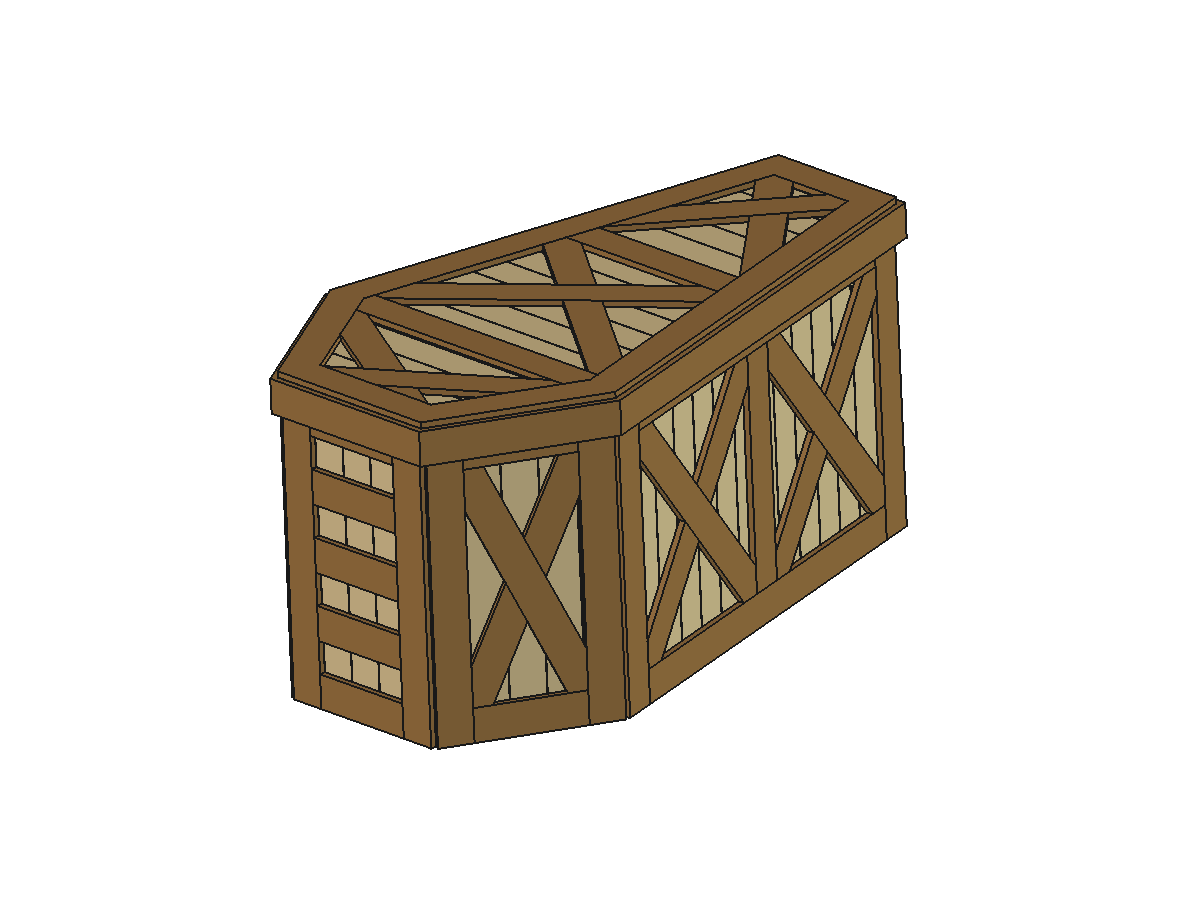
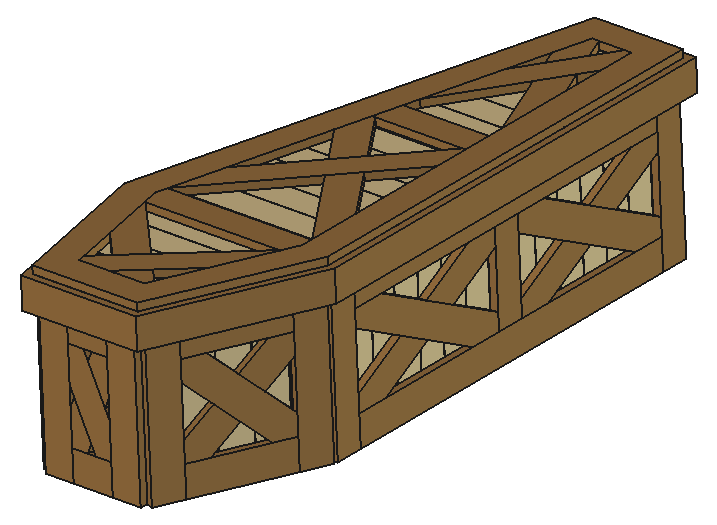
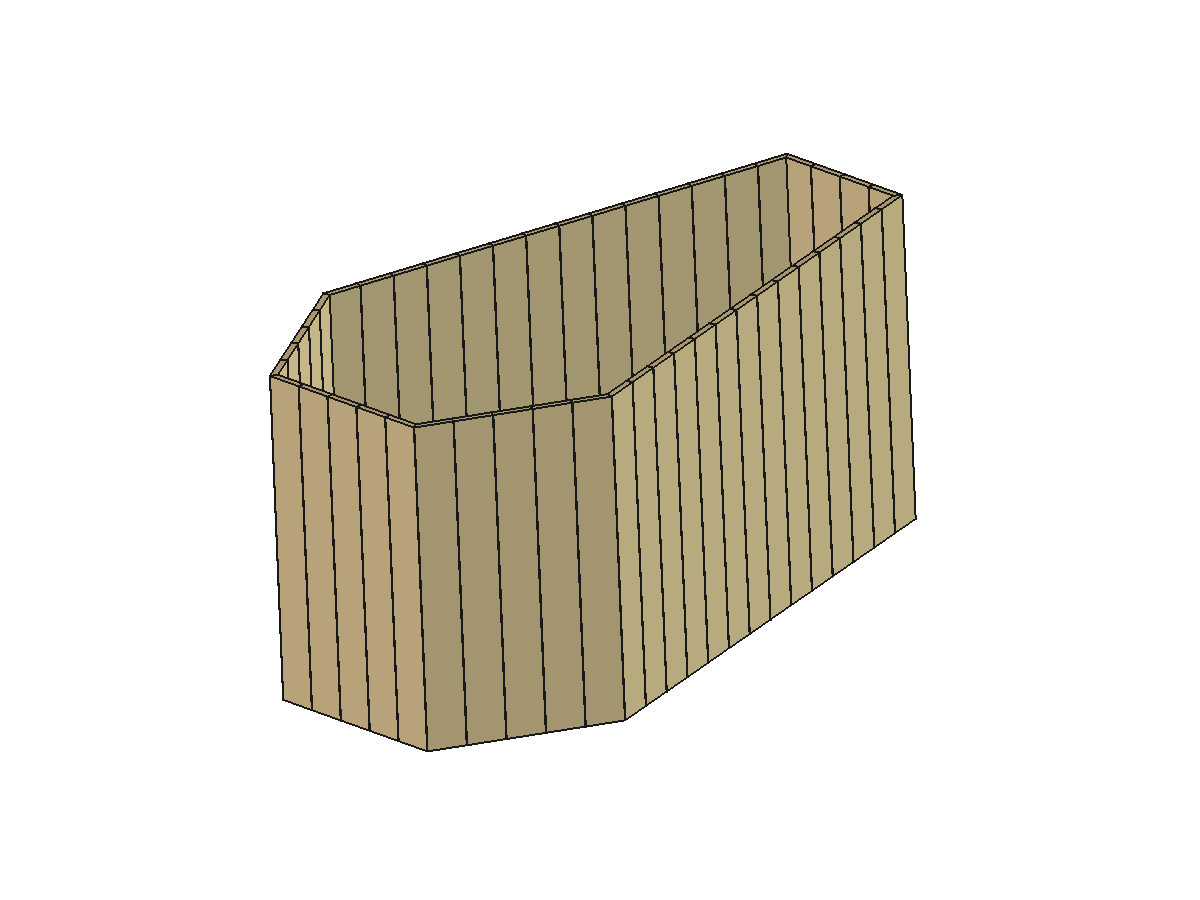
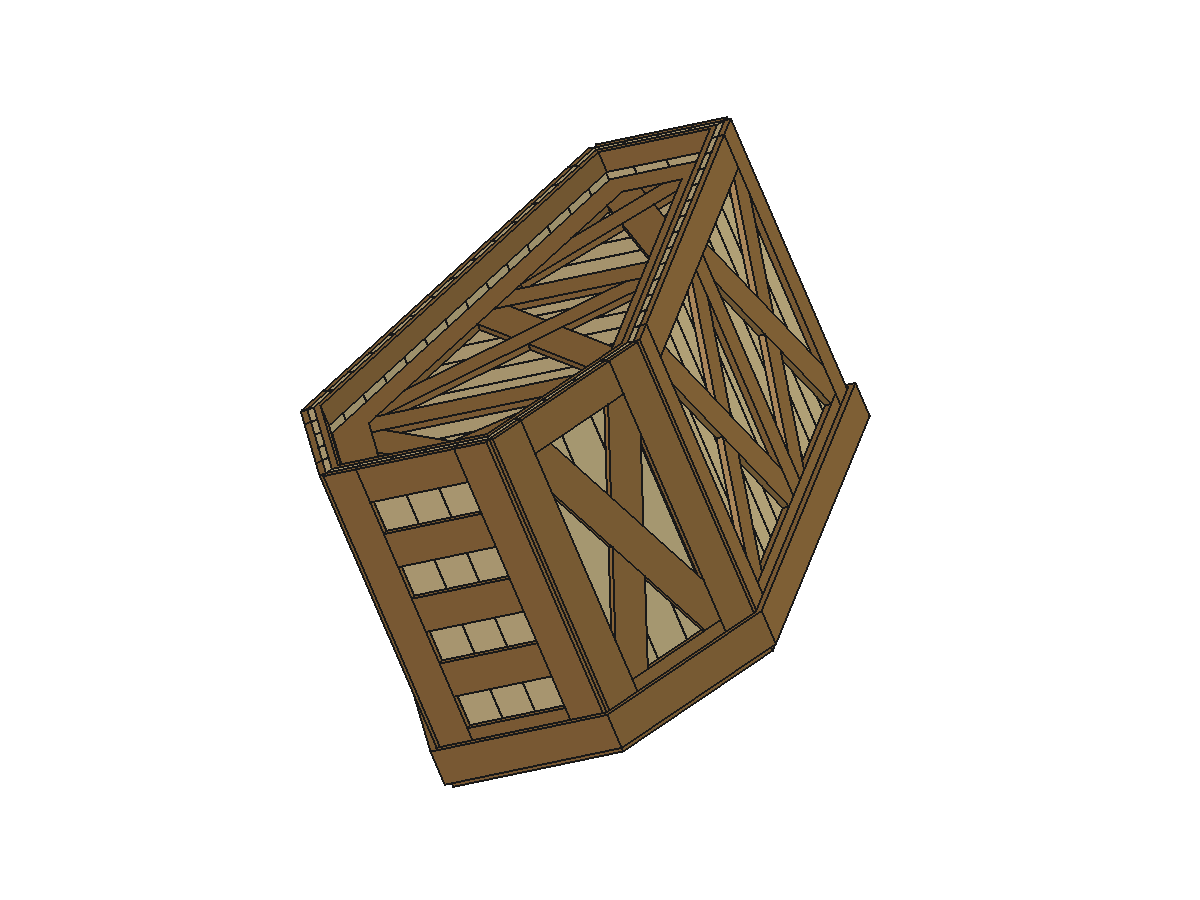
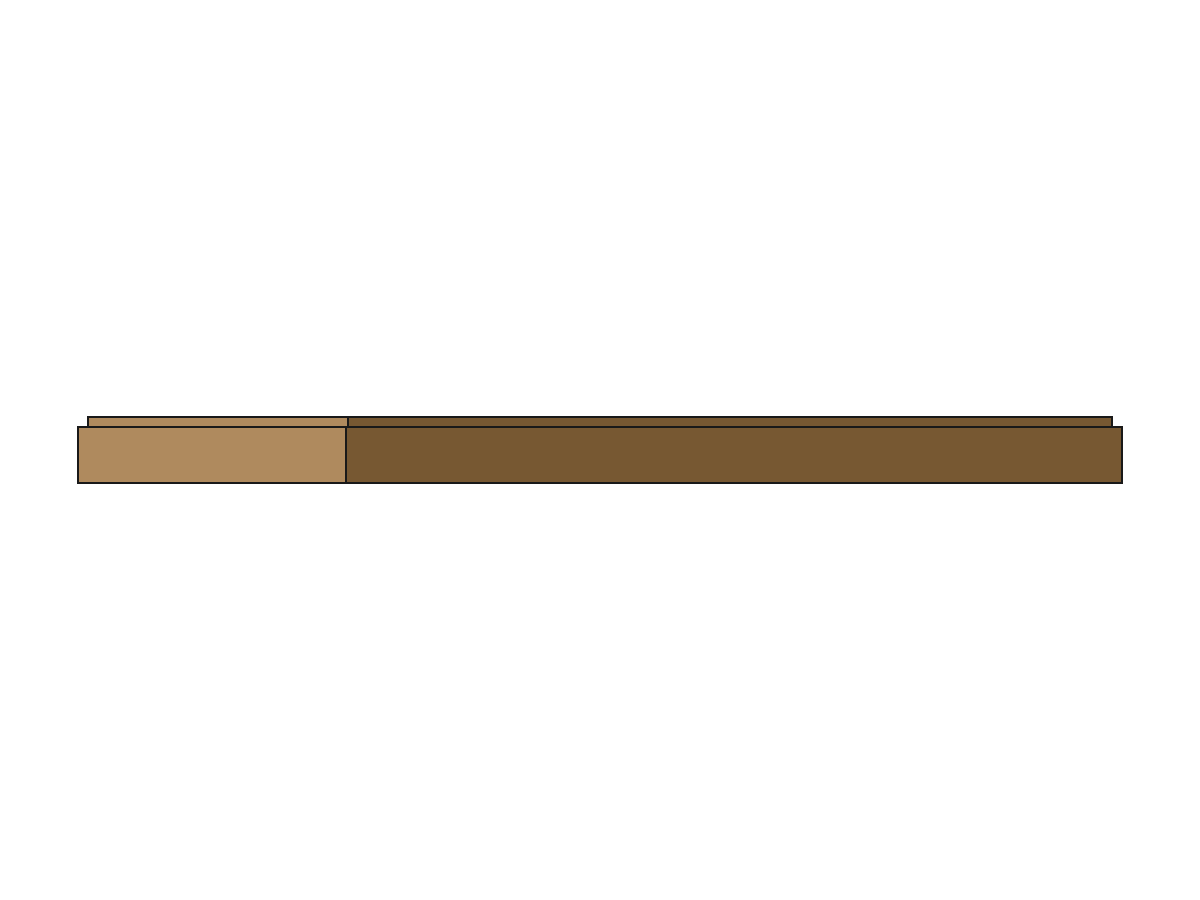
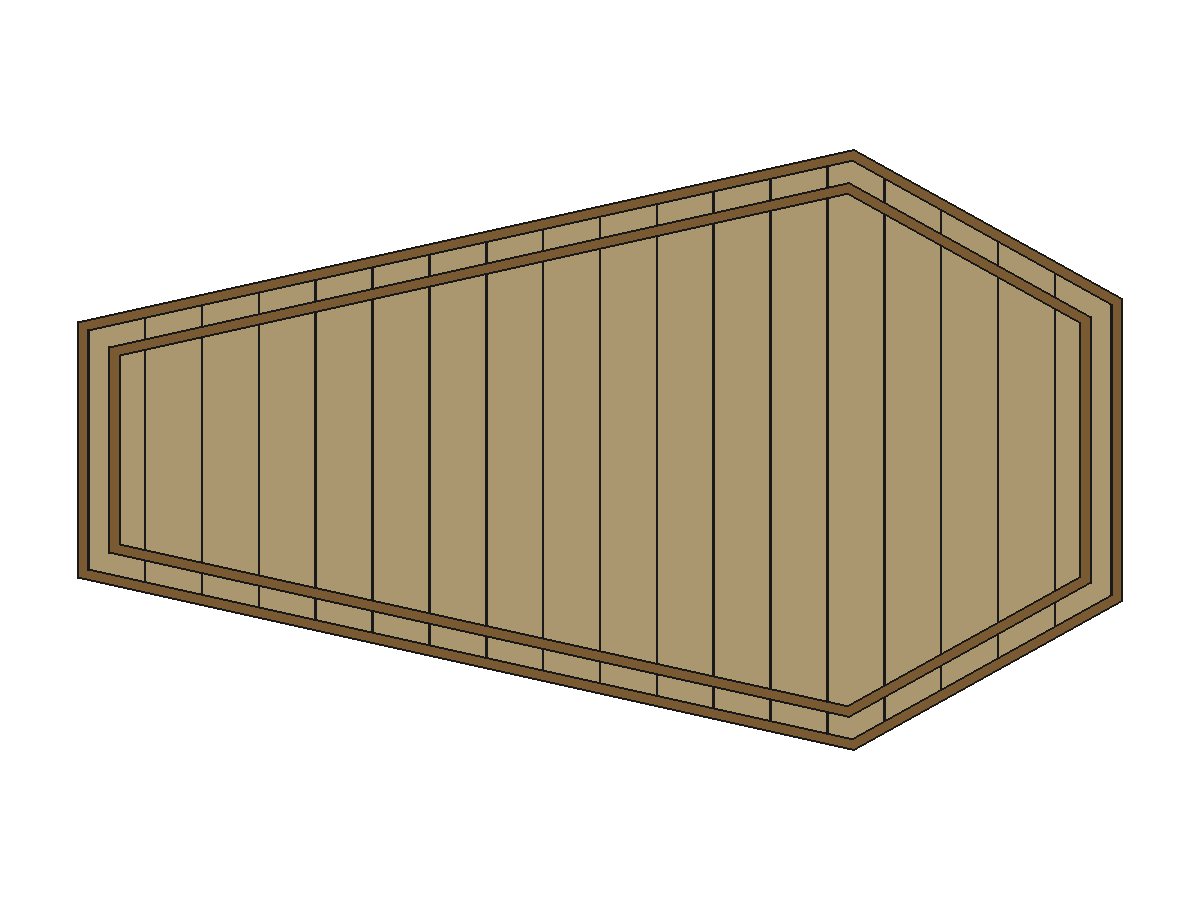
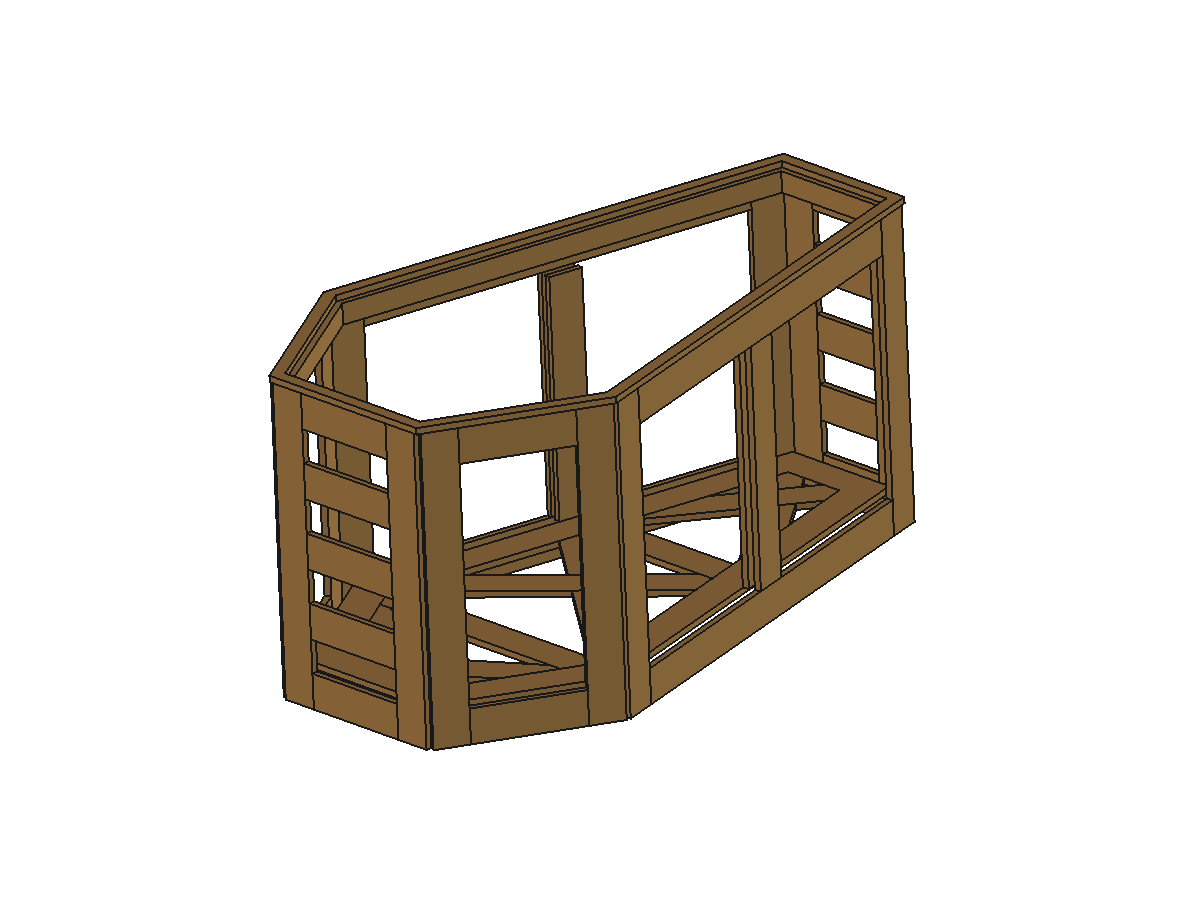
No machine stores a memory better than a thing you built — precisely, and to go.
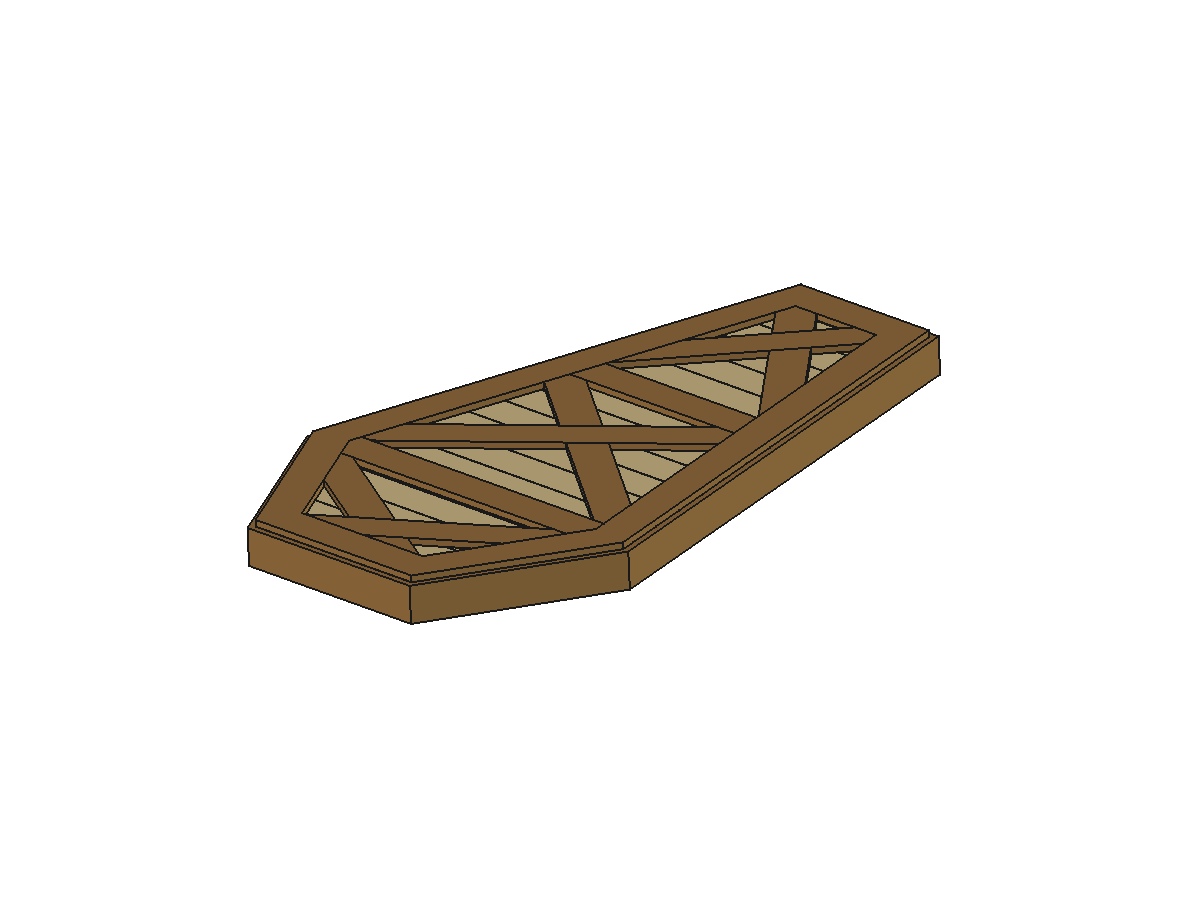
The zen tradition names the question plainly: the Great Matter — the one subject that cannot be postponed. And it answers with a practice older than any temple: the craftsman who makes with his own hands the vessel of his own passing. It is not a morbid act; it is the clearest act of living there is. The hands plane, the eyes measure, and for a few honest hours the mind is finally quiet, because it has one true thing to do. In the work, body and mind become one thing — the mind stops narrating and starts recording. Every stroke of the plane, every notch cut true, is a bit written into the wood. This is the memory the tradition asks you to keep: not the memory of a box, but the memory of a concept — that you prepared yourself, whole, while you still could, and wrote it down where it could not be lost.
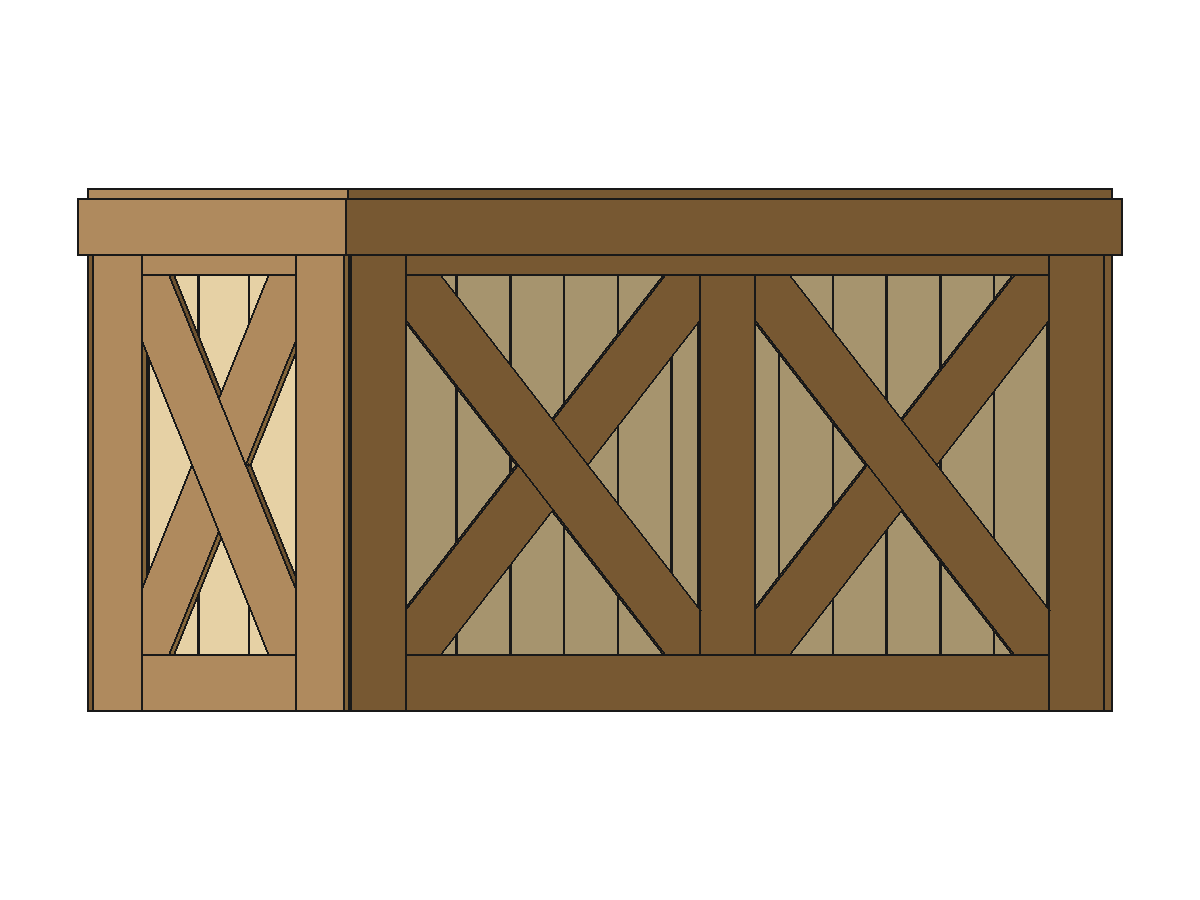
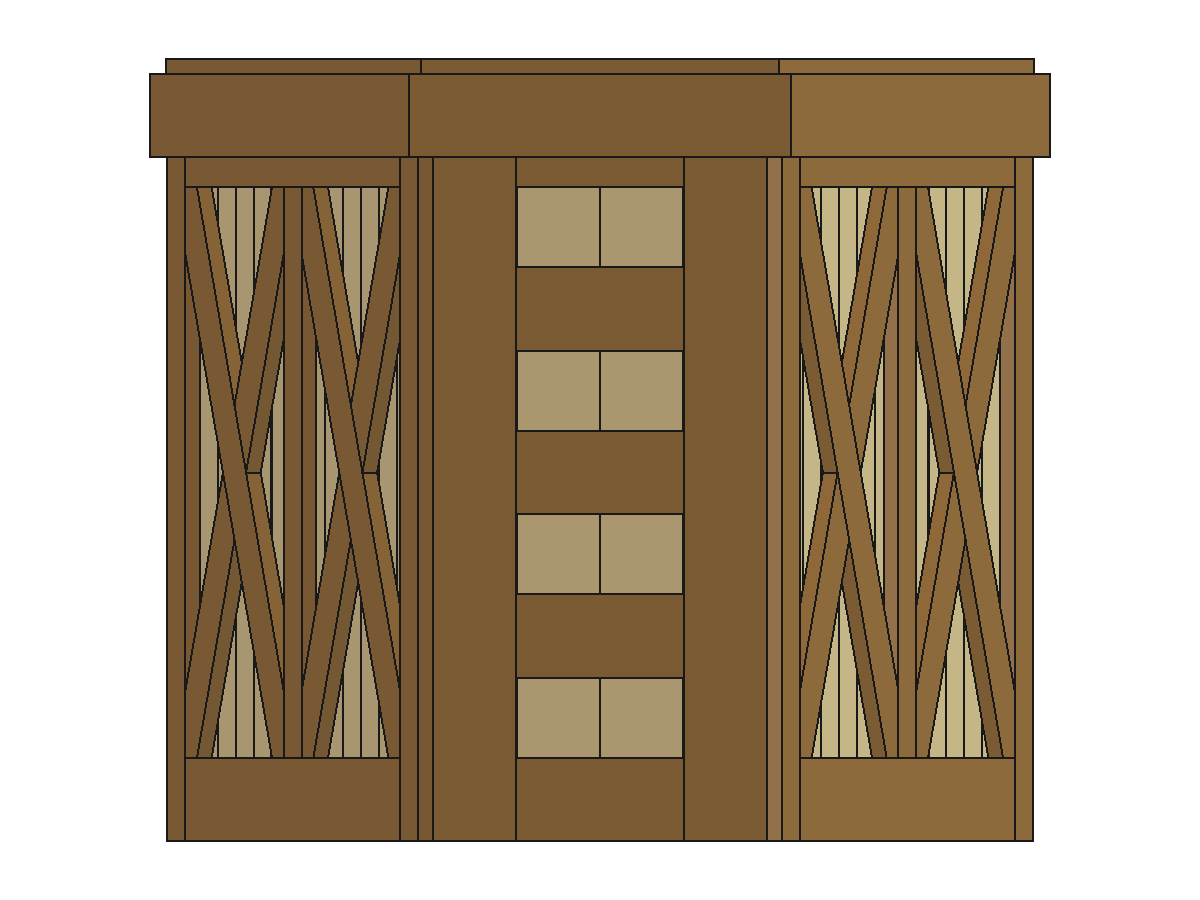
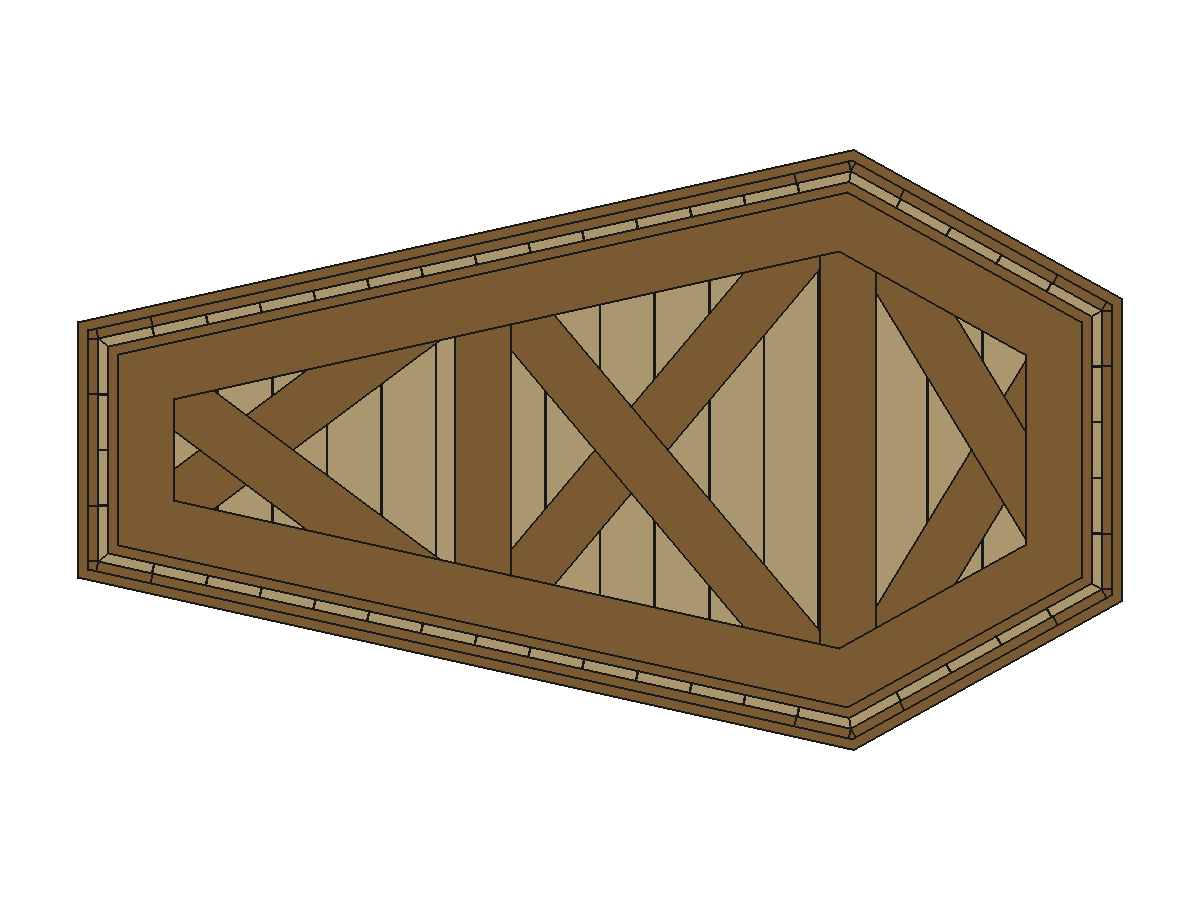
Zen is a worldly practice — the stocky monks of China tilled the soil and built with their hands, and found the teaching in the grain of the work. The craft obeys the same conditionality as everything else: snow falls only when its causes and conditions are present; a joint holds only when it is cut true. The X-brace teaches the whole of it: two boards, each useless alone against the forces that would tear the walls apart, are notched and cut to interlock — and become stronger together than either could ever be. Nothing carries alone; everything that holds is held. And a hologram stores the whole image in every fragment: cut one in half and each half still holds the entire picture — the whole of the preparation lives in every single joint. What the tradition offers against the change that is coming is not denial; you cannot stop it, and it never pretended you could. It offers composure: to meet the change the way these boards meet the load, cut to fit, braced, at peace.
So build it slowly. Let the saw be a meditation, the notch an acceptance, the final closing of the lid a goodbye rehearsed with your own hands until it is no longer frightening. Each joint is a fragment of the whole record; each fragment holds the whole. And ask yourself this, as you plane the last board: don't you think there is no better memory — more than any machine, more than any drive — than the preparation of something solid, parametrically engineered to you, precise to go, and completely whole? The craft is the last preparation of the mind, and the memory of how you prepared is the only data you will carry with you. When the carrier wave stills, the standing wave is what remains. And when the time comes — as it will — no one will take you better than yourself to the last and only place, because the great builder who always lived in you has been preparing for this journey your whole life. Every joint cut true is that builder's signature; every notch is a promise kept. This is the last journey. Prepare to go well.